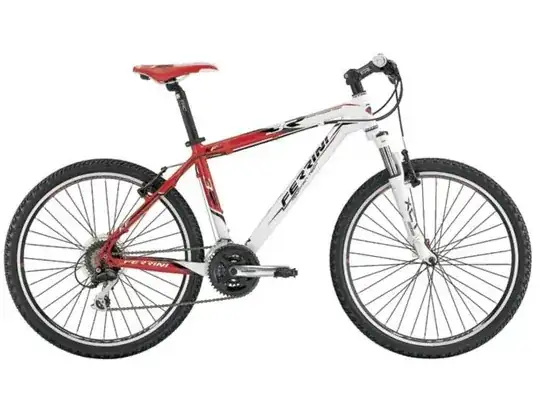
Unless the correct fork is chosen , the bikes geometry will change. A rigid fork built for a bike designed for rigid forks has a smaller axle to crown measurement than a suspension fork. If your bike is designed for 100mm travel suspension, and you put "any old" rigid fork on, the front of you bike will be 100mm lower than it is now. Even if you correct this in the Steerer/stem/handlebars, this will be enough to upset the rake and therefore alter the handling of the bike. (refer @Benzo for the answer to this problem)
The bike will (should) be significantly lighter with the benefits that go with that.
If you are riding smooth pavement, the changes will be you feel more bumps, and need to use you arms to absorb and control the front of the bike if you hit small bumps in corners. Tyre choice and pressure becomes more important, as does attention to the surface ahead of you. The big gain is that you bike is more efficient - no soft squashy absorbing energy in the front end (even locked out suspension moves) - you will go faster.
Off road riding is a completely different ball game. If you are used to suspension and riding bumpy ground hard, you will need to change you style. Expect a few prangs along the way. When riding suspension, you weigh it in corners and let the shocks hold the front wheel on the ground over the bumps. Without suspension, the same technique will lead to the front wheel bouncing and loosing traction, with predictable consequences..... You need to learn to let your arms become the suspension, and your arms need to control the front wheel no only in direction, but "height" and "pressure on ground". The term "loose" takes in a new meaning. It requires more skill and concentration, and far more attention to detail than riding a suspension setup give, as well as being physically harder, but also in some ways, more rewarding.