I shoot with a Canon EOS Rebel T5 and sometimes see noise even when shooting at ISO 100. Is this just because there is not enough light in the dark portions of the picture (seen below)? Is this a function of the image sensor, lens, or both?
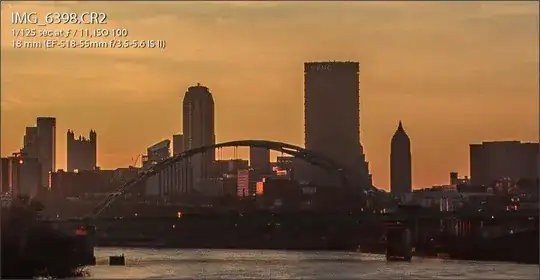
I shoot with a Canon EOS Rebel T5 and sometimes see noise even when shooting at ISO 100. Is this just because there is not enough light in the dark portions of the picture (seen below)? Is this a function of the image sensor, lens, or both?


This is a perfect example of "expose to the right" — that is, even though you want the final result to be low key (largely dark), take the initial exposure as bright as you can (without blowing out the brighter part of the sky, reflections, or any more subtle brighter areas). When you expose so that dark areas are really dark — either because you are underexposing or because that area of the scene really is dark — there are fewer photons to count, and so less signal, which means the signal to noise ratio is worse.
Choose a brighter exposure even for the areas you want dark eventually, and then bring down in post. If necessary, you may actually get better results by raising the ISO — see this answer for details. But in this case, since presumably you're using a tripod for your cityscape shot already, you can probably just increase exposure time. If necessarily, you might consider using HDR or exposure blending techniques to get detail in both the shadows and the highlights (although I don't think that will be necessary in this scene).
An alternative to "exposing to the right" proposed by @mattdm could be noise reduction through image stacking:

Noise reduction is generally effective in dark areas because there is little detail to retain. Most noise will be chroma (color) noise so it is easy to remove in your RAW processor or with third party noise reduction.
Remember that there is no "correct" sunset exposure. I always bracket widely and choose the best result.

