I think the article that your example picture is attached to covers it fairly well. What goes without saying is that a correct exposure (the amount of light recorded by the sensor) is absolutely essential to making the colors pop in post processing. Saving your photos as RAW files will also give much more latitude to adjust the color temperature and saturation in post processing.
The key to taking photos with strong color composition is being able to find scenes with strong color composition. Some, like a golden sunset, are obvious. Others may be more hidden in the world that surrounds our everyday lives until we train our eyes to look for such scenes. There are many post processing techniques that can significantly alter the color composition of a photo, but I think the best photos in this regard start out with good color composition in the viewfinder.
When composing your photos look for similar or contrasting colors (colors that are opposite each other on the color wheel). Green and Red for instance, are opposite each other.
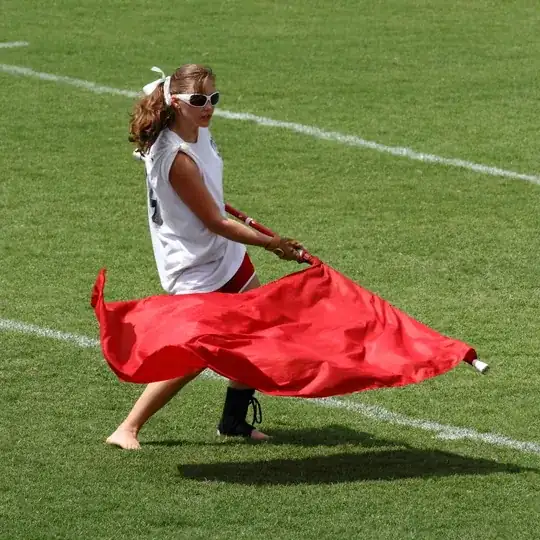
Altering the amount of saturation, either in-camera or in post processing, can have a dramatic effect on the final image. Be careful not to fall into the trap of over saturating everything. As the article said, different colors set different moods. We're all guilty of it in occasion.

Sometimes desaturating can draw attention to the strongest colors in a scene. I've found this particularly true with tones of red (no selective color adjustments were used here, just global color temperature and saturation):

A strong presence of the three primary colors - red, yellow, and blue - can make a scene visually appealing.

Early morning and late afternoon light will naturally increase saturation of colors, even when there is only one dominant tone.
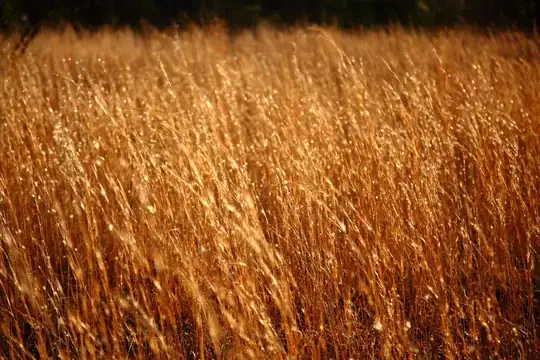
A polarizer filter will increase saturation, especially of blue sky and green grass and other plants.


