3

I know about spruce, and pine is a really close relative, so it seems legit to me. I was planning to use the brown part in the picture, which has a really nice smell.
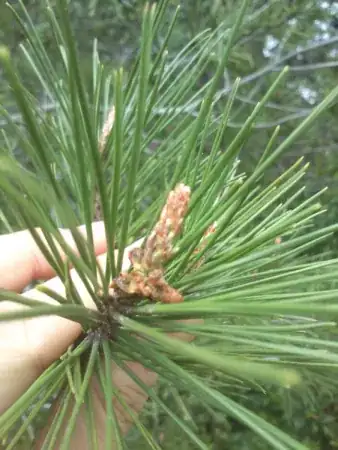
enter image description here

I would like some advices:

  1. Can I use it with no health risk?
  2. When to put it in boil? I read a recipe suggesting to boil it 60 minutes, what bout boiling it for 15 or 30 minutes?
Paolo
  • 1,516
  • 4
  • 19
  • 36
  • You've tagged this as "hops-alternative". How are pine/spruce alternatives to hops? I'm guessing it's for preservative qualities, rather than taste, but I'm not sure. Could you clarify? – FrustratedWithFormsDesigner May 06 '13 at 15:21
  • In my knowledge is for taste, C. Papazian reports two or three recipes in his Complete Joy, where spruce is used alongside with hops (for example in a porter where rather unconventional ingredients like chili, ginger, chocolate are used) – Paolo May 06 '13 at 15:40
  • So will pine/spruce produce a flavour that is similar to hops? – FrustratedWithFormsDesigner May 06 '13 at 15:42
  • Not in the least. – Denny Conn May 06 '13 at 16:42
  • @DennyConn: So it's only a "hops alternative" in the context of providing a different flavour than hops? – FrustratedWithFormsDesigner May 06 '13 at 17:20
  • As someone who's been covered in sticky pine sap many times, I winced when I read this title. I suspect Denny is correct in that pine would make the beer taste like turpentine, or perhaps like something gawd-awful from your great-grandma's medicine cabinet. – GHP May 06 '13 at 17:48
  • 1
    @Frustrated - If you think of hops as a flavoring, you're correct. If you think of them as bittering/preservative, then pine likely would not do the same thing. – Denny Conn May 07 '13 at 15:29

5 Answers5

3

All reports I've read say that using pine will likely impart a turpentine flavor to your beer.

With spruce, you use the tender tips of new growth. If you decide to go ahead with pine, I'd suggest trying that.

Denny Conn
  • 33,368
  • 1
  • 42
  • 67
  • 1
    It would be smart to do a test batch with vodka flavored with the tender tis/needles/brown part first. That way if it does taste like turpentine, which I am guessing it would if you put in too much then you only have that issue with one beer. And can titrate the concentration till you get the flavor profile you want. – Chris Plaisier May 07 '13 at 04:55
1

I have had a Drake's / Faction Brewing collaboration IPA: "Tree Beer", made with whole branches of a Grand Fir tree throw into the boil. I couldn't tell you the boil time or quantity used (except that I saw the tree itself, a good 6' tall at least, in their cooler beforehand, but who knows how much was actually used). I don't know about preservative qualities, but I can say that it did not replace the hops, and made the beer smell (and to a lesser degree, taste) like a freshcut evergreen. In my mind, it was delicious. In my fiance's mind, less so.

object88
  • 675
  • 9
  • 28
1

Disclaimer: I've never done this before.

I've read about it however and from what I understand you will get the most flavor from the needles rather then the cone. Not sure how much bitterness you would extract, all the recipes I've seen also use a hop for bittering. I'm sure its possible, after all we didn't use hops in our beer for centuries.

There should be no health risk to you.

As to boil time and amount, I have no information for you.

Jared Meyering
  • 2,372
  • 13
  • 23
0

I made a first infusion in vodka with the part displayed in my picture. I diluted around a teaspoon of it in a pale ale. It didn't smell like turpentine, it just remember pine. I have to admit that on the other hand the aroma was not that interesting. So my experience is that those parts of the pine can be used in secondary fermentation.

Paolo
  • 1,516
  • 4
  • 19
  • 36
0

I've had & made a few spruce/pine beers. I would use this as flavoring. using new growth needles. you could place them in the boil, or steep the cuttings and add at bottling/kegging. the flavor is potent so you will want to go easy on adding them. or age it for a long time to allow the flavors to mellow.

Jason Meckley
  • 372
  • 1
  • 2
  • 8