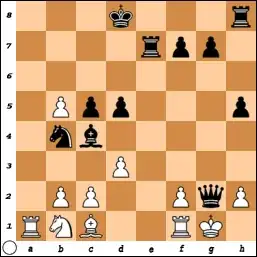
A player may LEGALLY move his queen anywhere on the board that the queen can reach on its move, unless that move exposes the player's own king to check (e.g. if the queen is "pinned" in front of the king by an opposing piece).
Legal moves ordinarily include moving the queen next to the opposing (your) king, which puts that king in check, given the possible movement of the queen on the FOLLOWING move. It also puts the other player's queen into potential jeopardy.
If your king is in check, you must try to move out of check. Often, that means moving the king, but in this case, it doesn't work, because the queen controls all the squares AROUND your king, meaning he'd still be in check if he moved.
Hence, your only possible recourse is to TRY to capture the opposing queen. If it's unguarded, you may be home "free."
But if the queen is GUARDED, meaning your nephew can take your king after he takes the queen, your king is in "checkmate" and you have lost the game. I infer from your nephew's declaration of "checkmate" that the queen is guarded. (It's possible that he's wrong, so I'd need to see the chessboard or a written record of the game.)