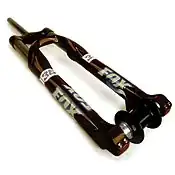
A torque wrench is needed mostly for lightweight bike parts, especially at the high end.
There are several related causes:
with lightweight parts the manufacturer has shaved off everything that is not absolutely essential. There is no spare strength to allow for overtightening.
things are made very precisely now. Rather than being able to take a 250kg gorilla, the lightweight bike can take a 120kg human. And rather than be maintained by a gorilla, you need an actual bike mechanic. This is partly to save weight, and partly to shave costs. Why use 1kg of titanium where 500g will do?
Most people do things up until they feel the resistance change. This slight yeild in steel is non-destructive and can be repeated thousands if not millions of times. In aluminium you need to be more sensitive because the yeild limit is sharper, but with composites and lightweight metals like titanium and magnesium the change is so fast it might as well not exist. The torque limits are likely to be tight and precise.
to save weight more threads are cut into expensive parts. Rather than having a semi-captive nut the body of the bike/fork/wheel is threaded. Stripping it means replacing something expensive.
What this means is that the traditional steel bolt in a steel bike will work well with (say) 15-50Nm of force used to tighten it. At 15Nm it's only just tight, at 50Nm it's probably digging into the frame and it's about to strip. But a (hollow!) titanium bolt in a carbon/epoxy stem will have a torque range of 5.5-6.4Nm, and the failure mode at the high end will be the stem failing- either it will strip the thread or the clamp will snap. And the bolt is built to match - why put in a bolt that will take 10Nm of tightening when the stem will fail at 7Nm?
There are other design changes to match these - four bolt handlebar clams on stems are now commonplace where there used to be one bolt and you just bent the clamp open then forced the (curved) handlebars through it. You can't bend an aluminium clamp like that, it will fail. And splined cranks require a lot more precision than tapered one, but that precision also allows them to be lighter as well as easier to service. The days of stripped extraction threads in cranks are (hopefully) over.