I have this clogging problem on my 3D printer that I am having a really hard time to solve. I am a hobbiest so in no way am I a professional with regards to 3D printers. I also know that this is a popular issue and I have tried a lot of the proposed solutions (going through a lot of PLA filament and failed prints) to no avail. I will try to describe the problem and what I have tried to solve it.
First the issue: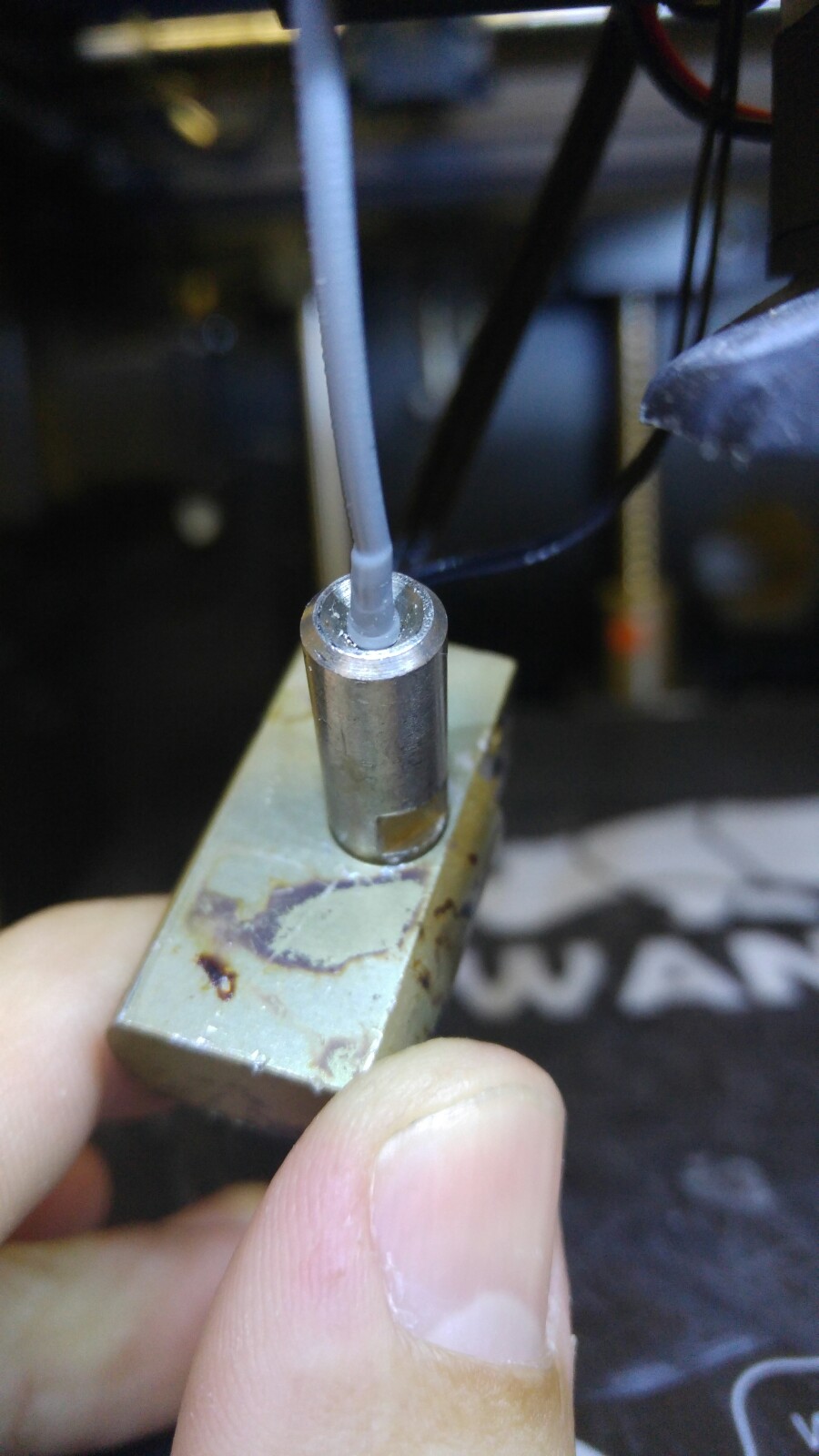
This shows how the filament clogs. The next image shows the assembled printer head for reference.: 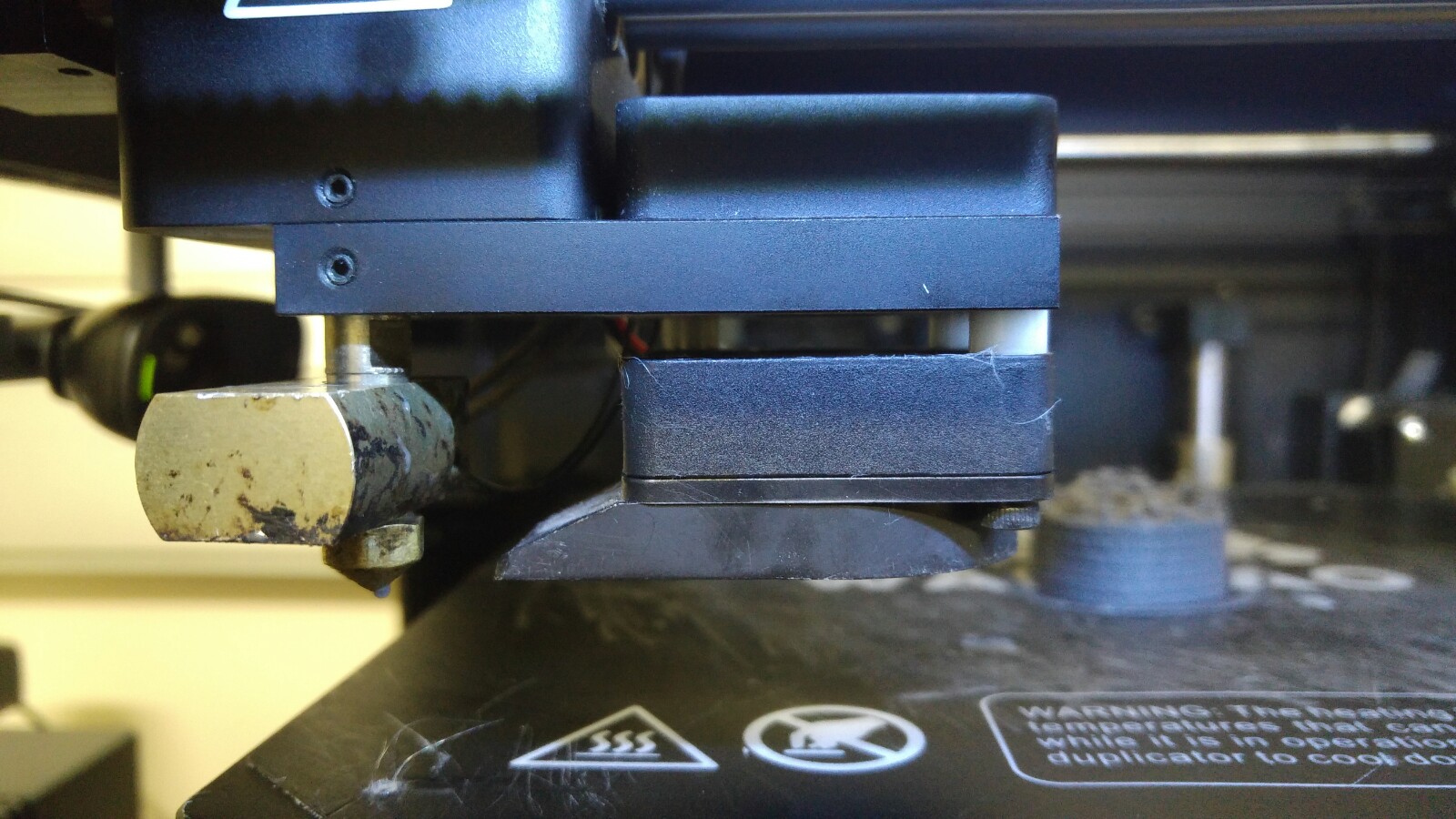
This is how the print looks when it fails: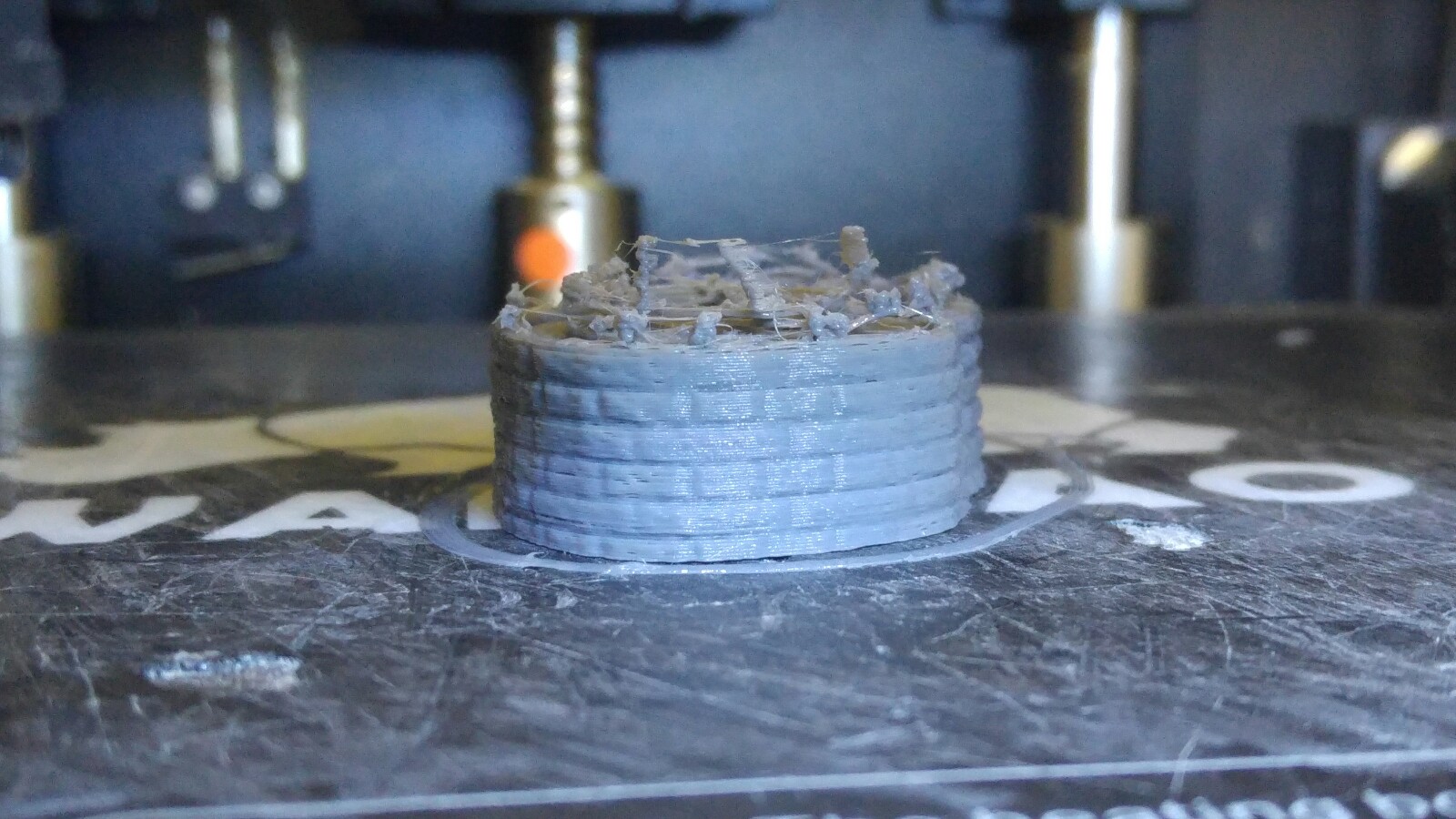
I have tried the following: - Adjusting the temperate between 190 up to 220 for the PLA filament. Everything trying a print with it. - Doing a thorough cleaning of the nozzle (Acetone soak, wire brush, guitar string etc.) - Checking the Teflon pipe inside the tube if it is clear and ensuring that the edges allow the filament to pass through. - Check if the cooling fans work well to ensure cooling of the whole assembly (they work, they aren't jammed etc.) - Dissambling the printer head and putting it back together.
I have printed with the printer before without a problem. I printed PETG a few times to get that working and the results were decent. When I returned to PLA this issue started and no matter what I change on the profile it won't work. I have tried adjusting feedrate, flow rate, retraction amount and speed, temperature, fan speeds to name but a few things.
I have a Cura profile I can upload if that will help. Any advise would be much appreciated. I have been struggling with this for a while now and really need some options.


